Proudly serving Mesa, Gilbert, Chandler, Tempe, Queen Creek, Scottsdale & surrounding areasCall or Text 24/7: 602-559-1623
Aerial drone photo of residential neighborhoods and desert vegetation in Mesa, AZ.

EV Charger Installation in Gilbert, AZ for Tesla Wall Connectors & NEMA 14-50 Outlets

Mesa EV Chargers installs Tesla Wall Connectors, NEMA 14-50 outlets, and commercial EV charging stations in Gilbert, AZ. We also install dedicated circuits and hardwired Level 2 chargers for home charging. Our services include charger repair, panel upgrades, fleet and multifamily installations, and replacement of outdated equipment. Each installation starts with your electrical capacity, parking layout, and charging needs.

Gilbert's summer heat and growing household electrical demand make charger planning especially important. A convenient mounting spot still needs a suitable circuit and enough panel capacity for continuous charging. We evaluate the electrical load and wire route before recommending equipment or amperage. Contact us for an assessment that turns those findings into a clear installation scope.

Gilbert has grown past 287,000 residents and is Arizona's fourth-most populous municipality and the country's largest incorporated town. We serve homes around Val Vista Drive, Power Ranch, Seville, Morrison Ranch, and the Heritage District, with service extending across the East Valley.

★ ★ ★ ★ ★4.9/5 Customer Rating - 19 Years of Electrical Experience - 2,000+ Charging Projects Completed - Licensed, Bonded & Insured - Serving Homes, Fleets & Businesses
Home and Commercial Charging

EV Charger Installation Services in Gilbert, AZ

Choose equipment around how and where you charge: a garage-mounted Wall Connector, a plug-in outlet, or shared charging for a commercial property. We match Level 2 equipment to the vehicle, the building's electrical capacity, and the expected charging demand.

Tesla Wall Connector Installation

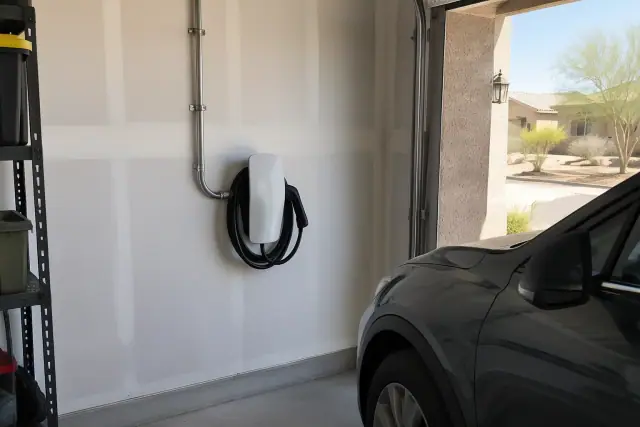
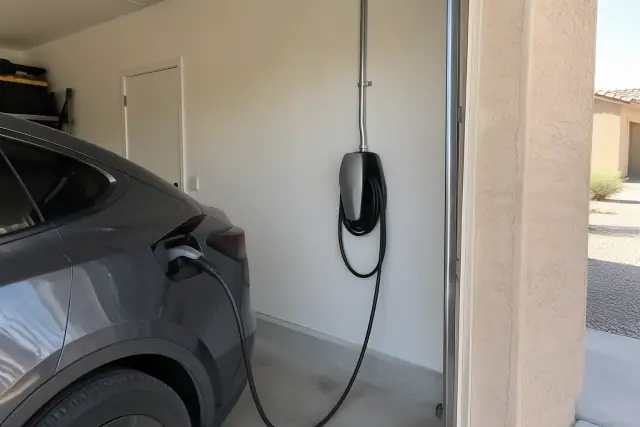
Tesla Wall Connector installed on a garage wall in Gilbert, AZ.

We install the Gen 3 Wall Connector on a dedicated 240V circuit matched to your vehicle's onboard charger. The mounting location and wiring route are planned around your garage layout. Explore Service →

Explore Service

NEMA 14-50 Outlet Installation

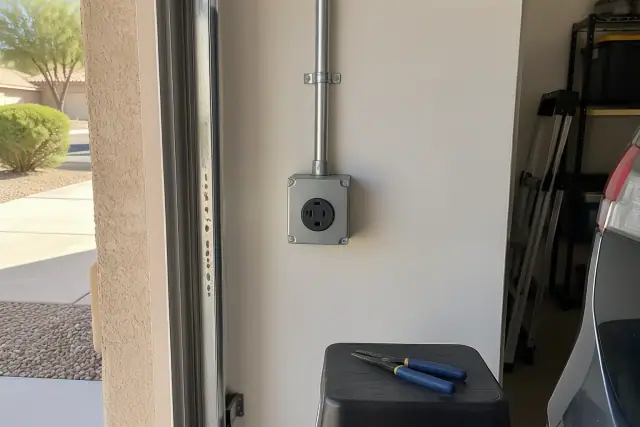
NEMA 14-50 outlet installation with wire strippers on a stool in Gilbert, AZ.

A dedicated 50-amp NEMA 14-50 outlet provides a plug-in connection for a Tesla Mobile Connector or other compatible portable EVSE. This option suits drivers who want to move their charging equipment between locations. Explore Service →

Explore Service

Commercial EV Charger Installation

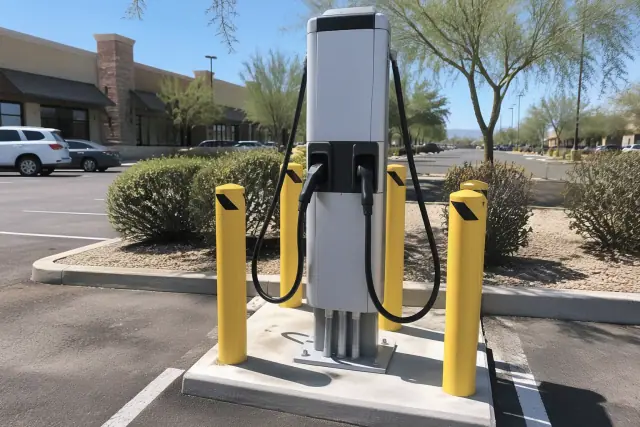
Commercial EV charger installation in a retail parking lot in Gilbert, AZ.

Offices, retail centers, and hospitality properties need charging layouts that fit parking demand and available electrical service. We scope multi-stall installations with building loads and local demand charges in mind. Explore Service →

Explore Service

EV Charger Repair & Troubleshooting

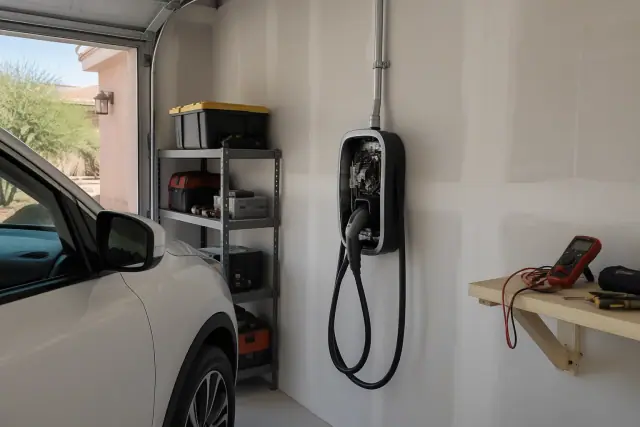
EV charger repair and troubleshooting in Gilbert, AZ with electrical conduit and a multimeter on a shelf.

Tripped breakers, failed charging sessions, corroded connectors, and firmware faults call for a diagnosis before replacing equipment. We troubleshoot the charger and its electrical supply on-site to identify the work needed.

EV Charger Panel Upgrades

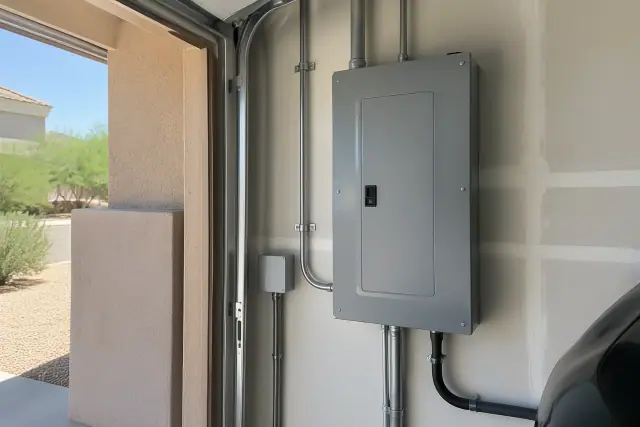
Contractor photo of an EV charger panel upgrade on a garage wall in Gilbert, AZ.

Some older homes with 100-amp panels need more capacity before adding a charger. We evaluate whether an upgrade to 150 or 200 amps is appropriate for the existing loads and future charging plans.

EV Charger Dedicated Circuit Installation

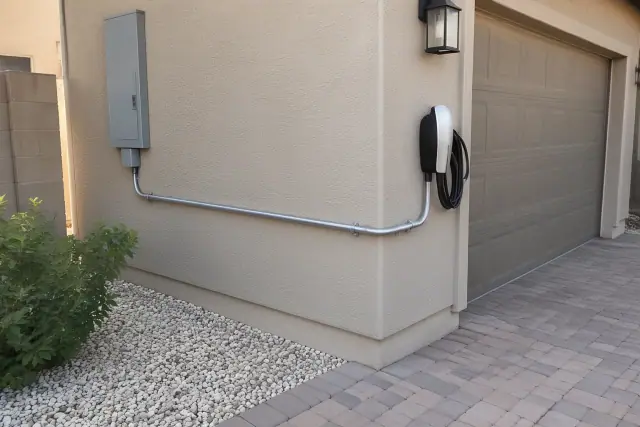
EV charger dedicated circuit installation on a tan stucco wall of a Gilbert, AZ house.

Each installation uses its own breaker and conductor pathway instead of sharing a circuit with other loads. We size the dedicated circuit for the selected charger and its continuous electrical demand.

Hardwired EV Charger Installation

Hardwired EV charger installation on a drywall wall in Gilbert, AZ, with exposed conduit.

A hardwired connection removes the plug and receptacle connection point. We recommend this approach for daily-use Wall Connectors, with the wiring and amperage setting matched to the installation.

Fleet EV Charging Station Installation

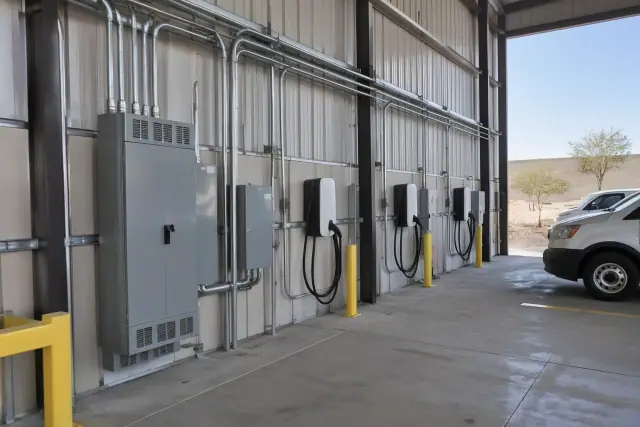
Fleet EV charging station installation with heavy-duty metal conduits on a warehouse wall in Gilbert, AZ.

Delivery, service, and rental fleets need a charging plan for multiple vehicles returning at the end of the day. We design layouts with load management that keeps charging demand within the building's service capacity.

Multifamily & Apartment EV Charger Installation

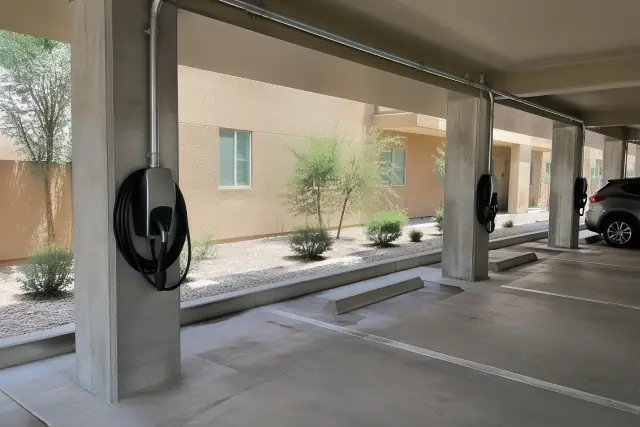
EV charger mounted on a concrete pillar with metal conduit in Gilbert, AZ.

We coordinate with property managers and HOA boards on shared stations with per-use metering or dedicated circuits to individual carports. The layout accounts for parking access and how residents will be billed.

EV Charger Replacement & Upgrades

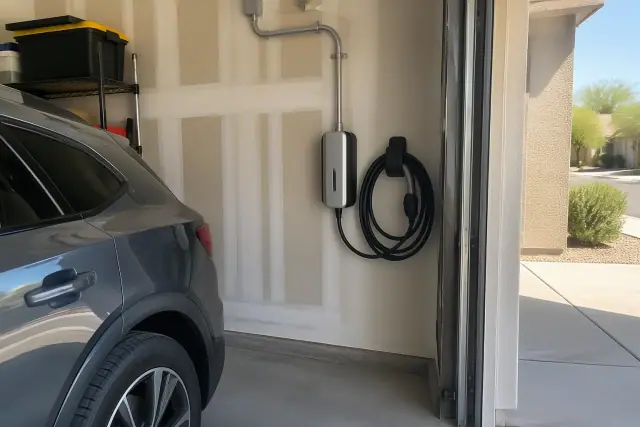
EV charger replacement in Gilbert, AZ, showing a hardwired wall unit and conduit in a garage.

Replace failed or outdated equipment with a current Wall Connector or other Level 2 charger. Existing wiring may be reused when its condition, capacity, and code compliance suit the replacement equipment.

Choose Your Charging Setup

Match Your EV Charger to Your Property

A useful charging setup balances daily mileage, the vehicle's charging limit, and the power available at the panel. These decisions help define the installation before equipment and circuit sizes are finalized.

Match the Vehicle's Charge Rate

We confirm the vehicle's maximum AC charge rate before recommending amperage. More charger capacity is only useful when the vehicle and the property's electrical service can support it.

Compare Plug-In and Hardwired Options

A plug-in charger offers flexibility if you expect to move the equipment. Hardwiring suits a permanent daily charging location and removes a connection that can loosen or corrode over time.

Plan Around Your Parking Space

Garage, carport, and driveway installations need different wire routes. We measure the distance from the main panel and identify detached-garage or underground conduit work during the site evaluation.

Account for Summer Heat

Gilbert summer highs regularly exceed 110 degrees, while unventilated garages can trap additional heat. Conductor sizing and equipment selection need to account for those operating conditions and continuous charging loads.

Allow for Future Electrical Demand

A second charger or a future pool can change the load calculation. We consider those plans with the current service size so a panel upgrade or subpanel addition addresses the broader electrical needs.

Compare the Complete Installation Scope

A useful quote separates straightforward charger work from longer conduit runs, trenching, and panel changes. We evaluate the panel and mounting location before providing a firm price for the work.

Charging Problems at Home

Common EV Charging Problems

An interrupted charging session can come from the equipment, its connections, or the circuit supplying it. We inspect the symptoms and the property's electrical layout before recommending a repair, replacement, or capacity change.

Request Charger Troubleshooting

Limited Panel Capacity

A panel sized for a home's original 1990s or 2000s electrical loads may have little capacity left for charging. Adding a 40-amp or 48-amp EV circuit requires checking the existing demand first.

Breakers That Keep Tripping

Repeated breaker trips interrupt charging and call for inspection of the circuit and connected equipment. We diagnose the issue rather than assuming a larger breaker or a new charger will solve it.

Failed Charging Sessions

A vehicle that will not start or complete a charging session needs equipment and supply checks. Firmware faults are among the problems we investigate during on-site troubleshooting.

Heat Around the Charging Location

Summer pavement temperatures can climb past 150 degrees, and garage temperatures can reach triple digits by noon. Those conditions make the equipment's operating environment part of the installation assessment.

Loose or Corroded Connections

A worn connector or loose plug connection can undermine an otherwise suitable charging setup. We inspect connection problems and consider repair, replacement, or hardwiring where appropriate.

More EVs Than the Setup Supports

Adding a second or third EV can stretch a panel that worked for the first vehicle. We review the combined charging needs before adding circuits or recommending load management.

Local Installation Experience

Why Choose Mesa EV Chargers in Gilbert

Our work combines home and commercial charging with knowledge of East Valley properties. We are licensed, bonded, and insured, and we handle the electrical assessment, permit coordination, and installation as one scope of work.

Familiarity with Gilbert Homes

From 1970s ranch homes near downtown to 2020s builds, panel types and available capacity vary substantially. We inspect the actual electrical system instead of assuming the home's age tells the whole story.

Tesla Installation Knowledge

As a Tesla Certified Installer partner, we follow the Wall Connector's published conductor, torque, and configuration requirements. The installation is matched to both the vehicle and the available electrical capacity.

Documented Work for Future Service

We document panel work and label circuits so future technicians can understand the installation. That record also helps when a homeowner later considers another charger or other electrical additions.

From Assessment to Charging

Our EV Charger Installation Process

We establish the electrical scope before installation, then coordinate the work through testing and inspection. You receive a timeline based on the panel, wiring route, and any additional electrical work your property needs.

01.

Evaluate the Panel and Vehicle

We calculate the existing electrical load, check the service size, and confirm the vehicle's maximum charge rate. These findings establish the starting point for equipment and circuit selection.

02.

Measure the Route and Define the Quote

We measure from the panel to the preferred charger location and check whether the route involves a detached garage, driveway, or trenching. The quote reflects that layout and any required panel or subpanel work.

03.

Coordinate Permits and Inspections

We manage the required electrical permit through the Town of Gilbert and schedule applicable rough-in and final inspections. Inspection coordination is included in planning the installation timeline.

04.

Install the Charger and Dedicated Circuit

Conduit, wire gauge, and breaker sizing are matched to the Wall Connector's selected 32, 40, or 48 amp setting. Installation follows Tesla's published specifications and the requirements applicable to the property.

05.

Test the Electrical Installation

Before handover, we test grounding, voltage drop, and breaker response. These checks help confirm that the circuit and equipment are ready for the charging setup specified for your vehicle.

06.

Complete the Handover

We coordinate the final inspection and document the completed panel work. Labeled circuits leave a clear reference for future service or changes to the home's charging needs.

Charging for Different Properties

Installation Approaches for Homes and Businesses

Case Study 1: Single-family homes: A garage-mounted Wall Connector often uses a dedicated run from the main panel. In communities such as Agritopia and Cooley Station, the assessment establishes whether the existing panel has capacity and where the charger fits the parking arrangement.

Case Study 2: Apartments and condos: Shared metered stations and dedicated carport circuits serve different parking and billing arrangements. We work with property managers and HOA boards to select the approach that fits the residents and the property.

Case Study 3: Workplaces, retail, and hospitality: Charging layouts along the SanTan Corridor and near the border with Chandler, AZ need to reflect parking demand and available service. Fleet projects also account for overnight charging needs and load management.

Plan Your Installation

Request an EV Charger Installation Estimate

Tell us about your vehicle, preferred charging location, and whether the project is for a home or commercial property. We will evaluate the electrical panel and wiring route, explain the installation scope, and provide a quote based on the work required.

EV Charging Questions

EV Charger Installation FAQs for Gilbert, AZ

Get answers about installation cost, electrical upgrades, charger selection, and the work involved in bringing charging to your property. Your panel capacity and parking layout help determine the final scope.

Discuss Your Charger Project

A straightforward installation with available panel capacity typically runs $700 to $1,500 in labor and materials. The work includes the dedicated circuit, charger mounting, and testing. Longer conduit routes, trenching, or detached-garage work change the scope, so we provide a firm quote after evaluating the property.

A standard residential Gen 3 hookup typically falls in the $1,200 to $2,000 range when hardware, permit fees, and labor are included. Panel capacity, subpanel work, and the wiring route affect the final quote. Complex commercial or multi-charger projects can reach $4,000 or more, depending on the circuits and load management equipment required.

The work calls for a licensed electrician who understands EV charging equipment and the Wall Connector's installation requirements. Mesa EV Chargers is a Tesla Certified Installer partner and follows Tesla's conductor, torque, and configuration specifications. The amperage setting also needs to fit the vehicle and the property's electrical capacity.

You can purchase a Wall Connector directly from Tesla, but you do not need to source the equipment separately for our installation service. Mesa EV Chargers can supply and install the unit. Discuss the equipment and installation together so the quoted scope is clear.

The assessment checks whether the existing service can support a new 40 to 60-amp charging circuit along with the home's other loads. Some properties need a panel upgrade, while others may need a subpanel closer to the garage. Existing wiring and older panel equipment are reviewed before the work is quoted.

A standard job with available panel capacity typically takes half a day to a full day for mounting, wiring, and testing. A panel upgrade extends the timeline because it involves additional electrical work and permit and inspection coordination. Detached-garage work or driveway trenching can also add time, so the schedule is based on the site assessment.

Yes, we manage the required electrical permit and coordinate applicable rough-in and final inspections through the Town of Gilbert. The installation is planned around the town's adopted electrical requirements, including NEC Article 625 for EV charging equipment. We include those steps when discussing the project timeline.

Level 2 describes charging on a 240V circuit instead of a standard 120V outlet; it can use either plug-in or hardwired equipment. Hardwired equipment connects directly to the circuit, while plug-in equipment uses a suitable receptacle such as a NEMA 14-50. Hardwiring suits a permanent daily charging setup, while plug-in equipment offers flexibility if you plan to move it.

Yes, we install charging equipment in garages, carports, and driveway locations. A detached garage or remote parking space may need a longer conduit run or underground trenching. We measure the route during the assessment and include that work in the quote.

Yes, we install Level 2 equipment compatible with most EV brands. Charger selection is matched to the vehicle's charging capability, available panel capacity, and daily mileage needs. The assessment helps determine an appropriate circuit and installation location.

Yes, we design charging layouts for delivery, service, and rental fleets. Load management helps keep multiple chargers operating within the property's service capacity. The plan accounts for parking layout and the vehicles' overnight charging needs.

Shared stations with per-use metering and dedicated circuits to individual carports are both options described in our multifamily service. We work with property managers and HOA boards on the parking layout and billing arrangement. The property's electrical capacity helps determine which approach fits.

Arrange an on-site diagnosis so the charger, connections, and electrical supply can be evaluated together. We investigate failed sessions, repeated breaker trips, connector corrosion, and firmware faults. The findings determine whether the next step is a repair, equipment replacement, or electrical work.

Existing wiring can sometimes be reused if its condition and capacity meet the replacement charger's requirements and applicable code. We check the circuit before quoting a swap. A different charger or higher charging demand may require changes to the existing installation.

We serve Gilbert neighborhoods including Val Vista Lakes, Power Ranch, Seville, Morrison Ranch, Agritopia, Layton Lakes, and the Heritage District. Home and business service also extends to Mesa, Chandler, Queen Creek, and Tempe. Commercial and multifamily projects are served across Maricopa County.